
As a large-busted, small-framed woman, I’ve always been disillusioned with activewear options for my size. This is only compounded by my penchant for matchy-matchy outfits and has recently been brought into sharp relief with my return to pole dancing (a hotbed of stylish little outfits and bikinis). Unfortunately, when you have melons my size, you cannot just throw on a cute bikini and hope for the best – all activewear tops need some serious structural engineering.
However, thankfully, I can sew and thus do not have to resign myself to the woes of acceptable-looking-but-not-exactly-cute-and-definitely-no-option-for-matchy-matchy sportswear items forever. Up until very recently though, activewear has firmly remained outside my sewing remit for a few reasons:
- It’s hard/impossible to source quality activewear fabric in person where I live
- Sportswear fabric is expensive and it’s hard to tell what you are buying online
- My 1960s sewing machine hates stretch fabric with a passion
However, with the purchase of a new machine just recently and the temptation of some rather cute fabric on sale at Spotlight, I think the tides have turned. Thankfully, pole wear requires very little fabric, which made it even more appealing as a first foray into the scary world of activewear.
I would like to note that all of these frustrations are overlaid across the top of the layers of privilege otherwise afforded to me as a straight sized, able-bodied, ciswoman. Buying activewear shorts and leggings is very easily and with some research and time, I can come up with a few options of sports bras in my size. For those with a similar size, I have sworn by this sports bra for years and I still wear it on the rare occasion I have need for a high impact sports bra. However, I simply have no desire to settle for just “functional” when I can achieve “functional and cute”. Hence, enter the Corset Top by Greenstyle Patterns…
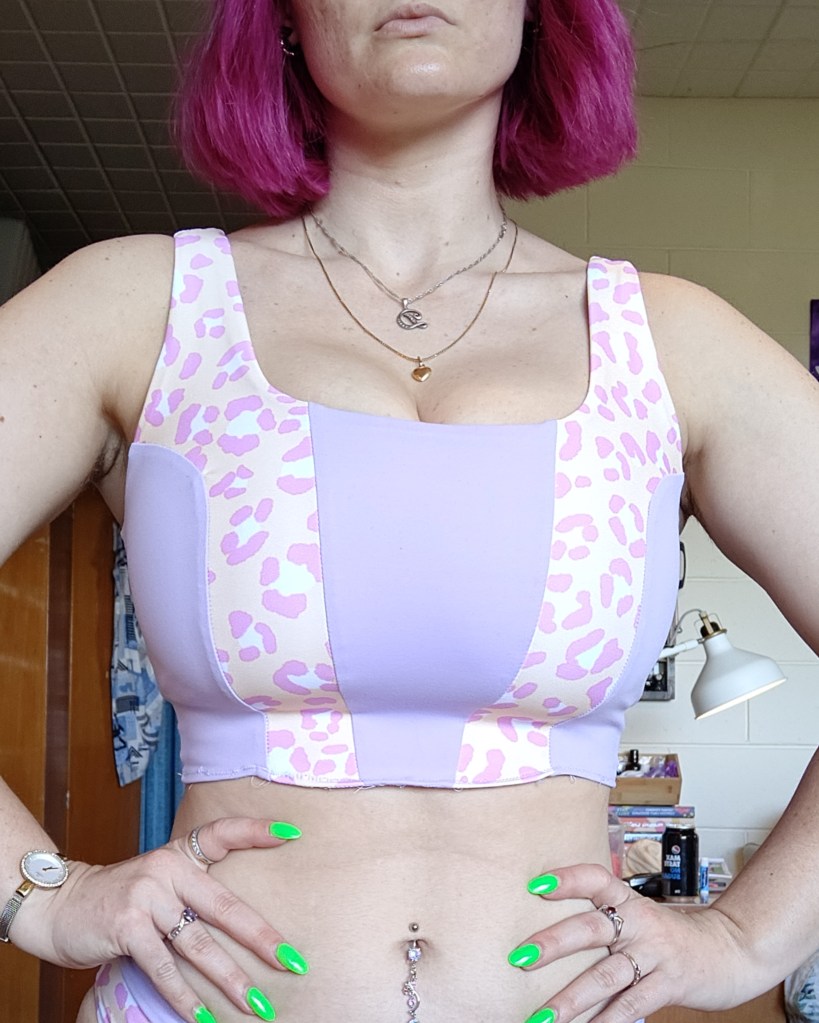
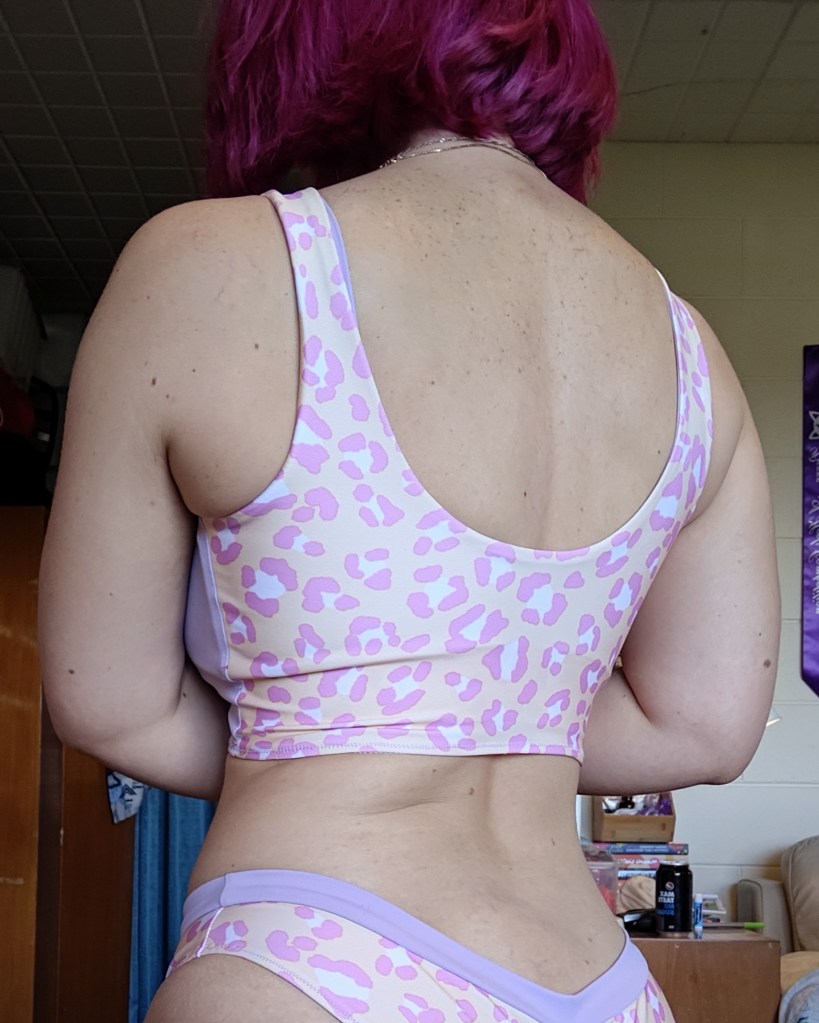
construction notes
Pattern: Corset top (View B) by Greenstyle Patterns, pants were a knock-off of a pair I already owned
Fabric: A 220gsm 75% nylon / 25% lycra blend from Spotlight for the outer and liner, with heavy weight powermesh from Boo Designs for interlining in the top.
Size: D, with medium cup size
I did have a first attempt at some activewear late last year, which went okay but definitely emphasised the need for a machine that could handle stretch better and also made me understand the benefits of powermesh in garments like this.
This was my first experience with Greenstyle Patterns (up to a 62″ bust and 61″ hip) and I do not think it will be my last. I really like that they include three different cup sizes in their patterns and I love that their website shows their patterns on a variety of body shapes and sizes – it takes so much guess work out of the purchase decision! In saying that, there was still some guess work involved in decided what cup size to choose; with a 2″ difference between by high bust and full bust the measurement chart put me in a small, which was absolutely never going to fit my AUS 6J / UK 28J bust. I havered over choosing the medium or large – knowing that because of my proportions I have previously made B/C cup knit garments and had them fit very well but also wrestling with the logic of my bust size not being medium.
In the end, I chose the medium and now know that the large would have been the more appropriate choice. Whoops. A lesson for next time. The medium still fits, but I had to add an extra casing for the elastic as I didn’t have enough for a grown-on casing (as the pattern calls for) and I definitely suffer a bit of boob spillage at the top. It’s not enough to make it unwearable but I’ll be interested to see the full cup option fixes the issue when I next make one or whether I even have to do a further FBA on top of that. To be honest, I am always a little frustrated to have to refit like this when the measurement chart put me in the small cup size lol.
However, I do not think this is a issue with the Greenstyle size chart. The classification of me as a small busted woman in size charts is a discrepancy I have run into time and time again and have never got a concrete answer for why it happens, nor have I yet come across anyone that has the same issue as me. If you do, please let me know! I cannot be the only one!
But, I do have a pretty good decent idea for why this happens – lets talk about it!
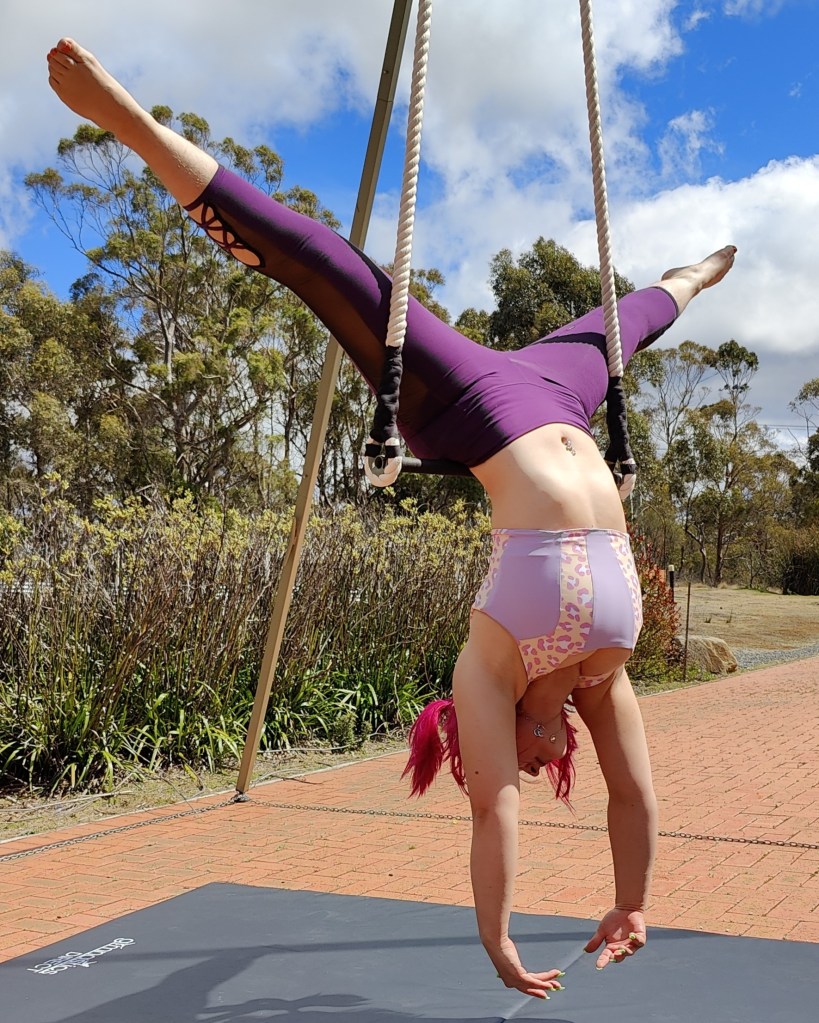
bust sizing deep-dive
My current working theory for why this occurs is to do with the difference between how garment cup sizes are measured vs how standard bra sizes are measured, and then how my torso anatomy causes a bunch of measuring discrepancies. Brace yourselves, we’re about to do a serious deep-dive.
To start with, lets examine the difference between a garment cup size and a standard bra size. The former is calculated by taking the difference between your high bust and full bust, whilst the latter is based on the difference between your under bust and full bust (see image below for a visual depiction).
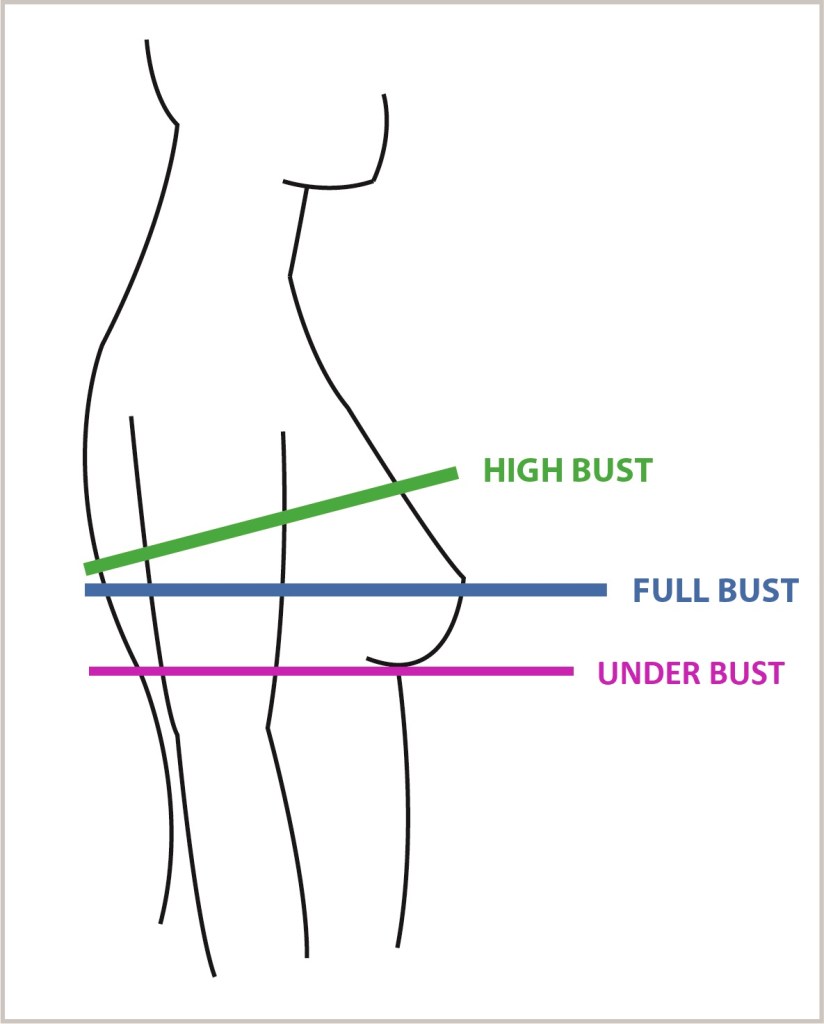
The measurement of your high bust/under bust determines either the garment size or band size that you wear, whilst the difference between that and your full bust size gives you the cup size. For example, someone with a 36in under bust will fit a size AU 14/ UK 36 bra size whilst someone with a 36in high bust may fit a garment size 12 (or thereabouts – garment sizes are very dependent on the fit model used by each brand). Bra sizes however, are much more consistent across brands and much easier to figure out. This is especially true if you use UK sizing, which is based on inches – i.e. if you have an under bust measurement of 30in, you wear a size 30. It’s clearly the superior sizing system. Wish everything was that bloody easy.
Supposedly, the cup size is determined in the same manner both ways. A one inch difference between high/under bust and full bust is an A-cup in both garment and bra sizes, with 2in = B-cup, 3in = C-cup, etc. However, that system gets real dicey for bra sizes the further up you go. For example, I have a 28in under bust and a 38in full bust – based on that system, I should be wearing a UK / AU GG-cup (see image below). In reality, I wear a UK / AU J-cup, three sizes bigger than expected.
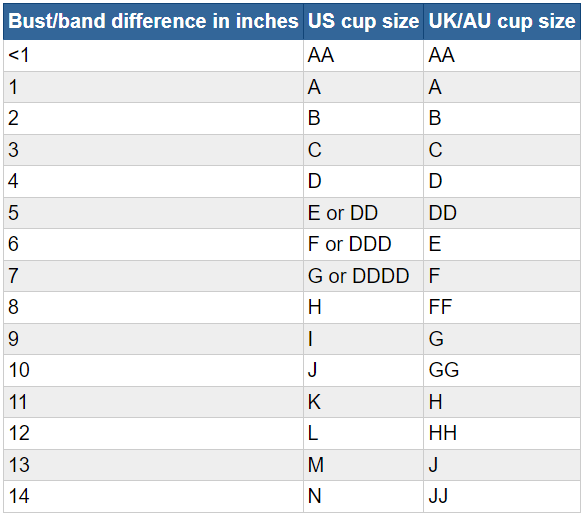
Prior to writing this post, I had absolutely no idea whether garment bust sizes have the same fudge factor as you go up through the cups and tbh, it wasn’t the easiest to find out. Much like the bra world, most of the pattern designing world seems to believe the alphabet caps out at DD – making it really hard to get any insights from patterns. The industry standard is a garment size B-cup (a 2in difference between high and full bust) and so if the pattern you’re looking at doesn’t include a high bust measurements or state what cup size the pattern is drafted for, it’s pretty safe to assume it’s a B-cup. This can be really useful if you are busty and struggling to pick a size – subtracting 2in off the full-bust measurements will give you the high bust measurement for each size, which you can then use to pick a size more reflective of your overall frame, without your boobs skewing the results. I have definitely used this to sense check some of my sizing choices in the past, with great success.
Whilst B-cup drafting is standard in straight sizes, a lot of plus-size patterns are drafted with a D-cup (a 4in difference between high and full bust). So, the measurement guide of “add an inch for each cup size” holds up to D-cup. However, there’s only one company that I know of that goes up beyond a D-cup, which is Charm Patterns, with a whopping 5 different cup sizes (A, B/C, D/DD, E/F, and H). These sizes correspond to the following size differentials:
| Cup size | Difference between high bust and full bust (inches) |
|---|---|
| A | 1.5 |
| B/C | 2 |
| D/DD | 3 |
| F/G | 4 |
| H | 5 |
Even with the assumption that Charm Patterns uses the American system (no double letters other DD), the 5in differential in the H-cup size (equivalent to a AU / UK FF) is waaay off the 8in difference it supposedly should have. This does suggest that the “one-inch per cup size” rule is just as screwy in large cup sizes for garment sizes as it is for bra sizes. However, with only one company’s size chart to base this off, it’s hardly a reliable conclusion.
Still, what it does show is that grading cannot be done on a linear basis – a pattern block that works for a B-cup cannot just be scaled up linearly on a “one-inch per cup” basis and be expected to fit functionally by the time you get to a HH-cup.
conclusions
So, aside from the fact that I am incredibly passionate about this really niche aspect of garment and bra-fitting, how does this help explain the fact that my measurements nearly always put me in the smallest cup-size option for sewing patterns when I quite clearly do not have a small bust?
Firstly, we’ve ascertained that the standard of “add one-inch per cup size” just doesn’t hold up when you go past a D-cup, ergo I think it’s safe to take any bust measurements from my body (and any similar one) with a hefty dose of skepticism.
Secondly, both sizes (bra and garment) have the same starting point – a one inch difference between high bust and full bust AND between under bust and full bust both give an A-cup. Don’t know about you, but I don’t know many people that are the same width at their high bust as they are at their under bust. In general, people’s torsos get narrower towards the waist.
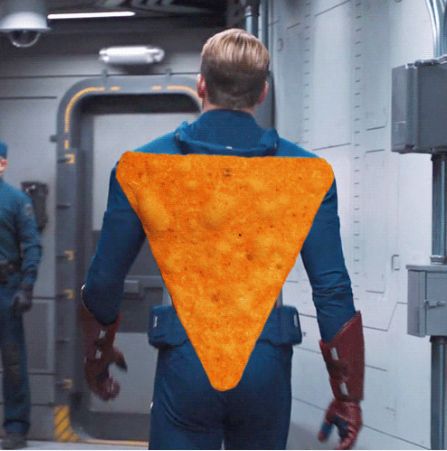
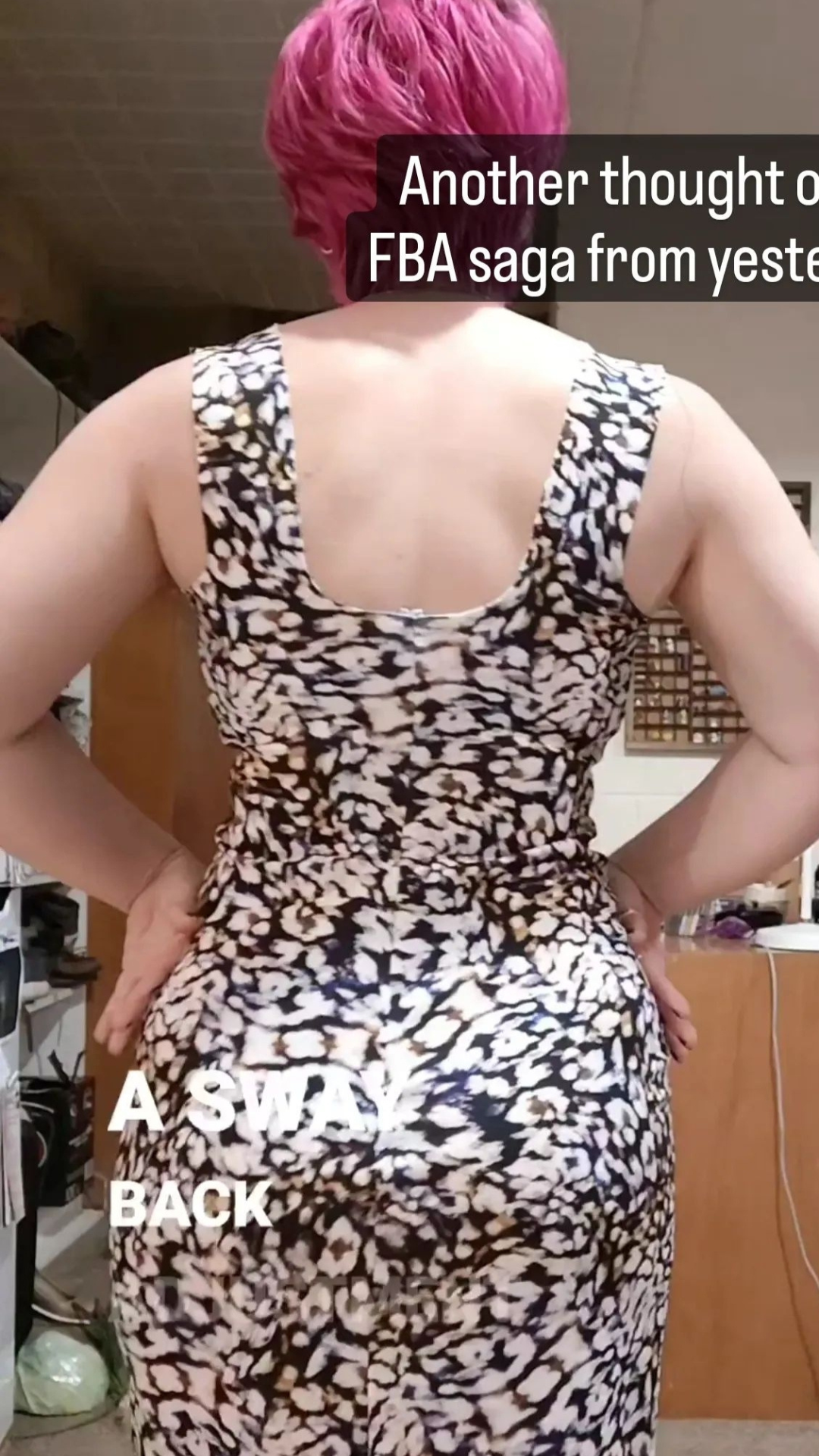
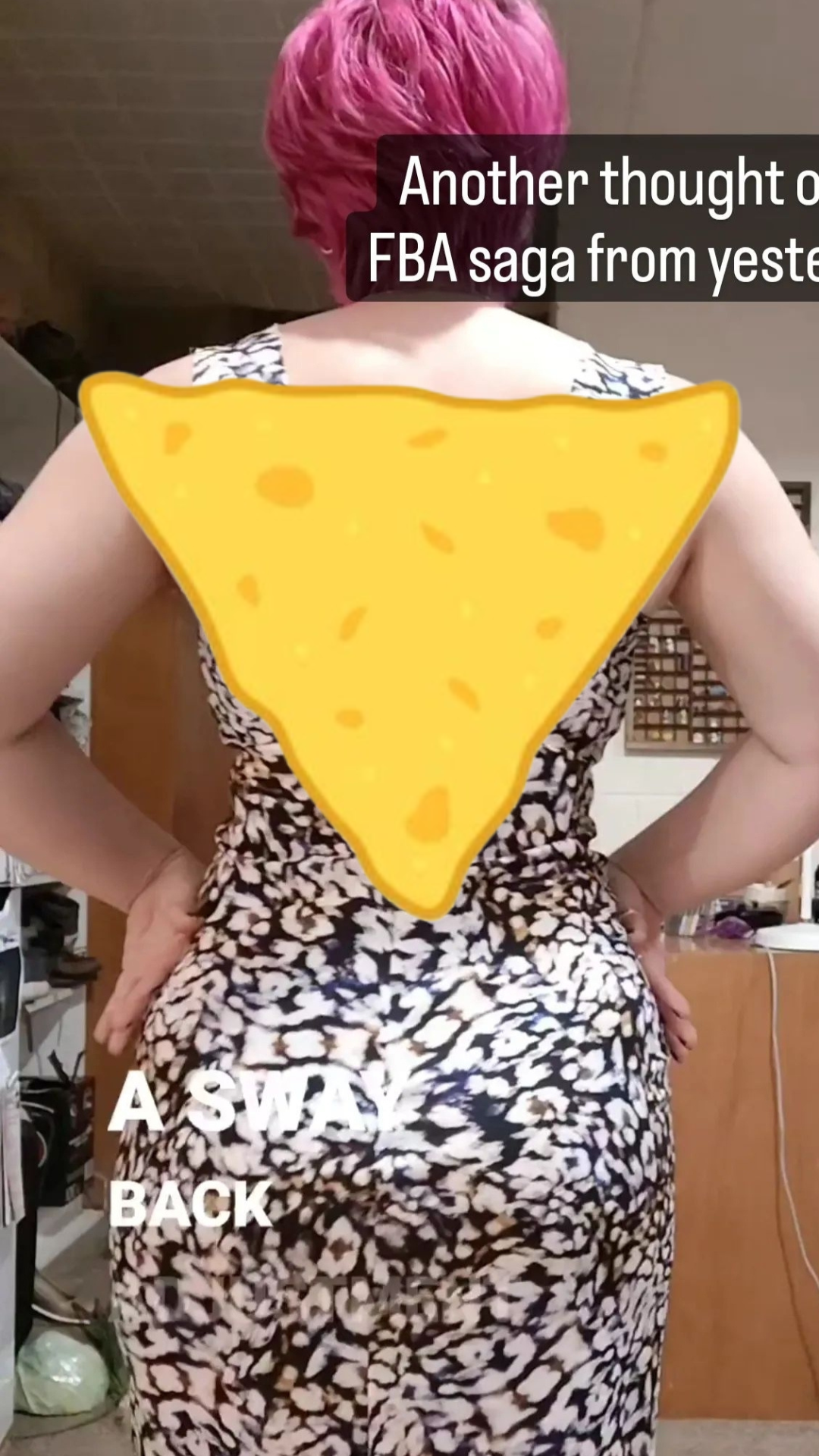
This second point is where it all comes unstuck for me and size charts. For my size (fairly standard AU 10), I have the combination of:
- Surprisingly beefy shoulders (largely due to a decade of aerials and pole)
- Very narrow and conical ribs (I only wear a size 6 bra)
- A lot of boob (duh). But, my point is that it takes up a lot of lengthwise space on my chest and so I reckon my under bust measurement is taken much further down my torso than most peoples is.
All of this leads to the following measurments:
- High bust: 36in
- Full bust: 38in
- Under bust: 28in
Note the 2in difference between full bust and high bust, which we know all know equates to a garment size B-cup. Hence, despite my bra size being a 6J (which we can all agree is large-busted), my measurements put me firmly in a garment B-cup (which is definitely considered small-busted). My theory is that all my little anatomical quirks described above have combined together to give me this immensely confusing size chart outcome. When layered on the dorito analogy it’s very easy to see how you’d get very different results for bust size depending on whether you used the high bust or under bust.
So what does this mean practically?
Honestly, very little. It’s all just a theory – I don’t know for certain whether this is why I consistently get put in the wrong size in size charts and tbh, I don’t think I’ll ever know. But, it’s been interesting to think about and I am pretty confident that I’m on the right path with this. Hopefully this has been useful to someone – it’s an area that I am deeply passionate about and anything I can do to demystify the world of bra fitting is a public service I am immensely happy to provide.
It obviously will not stop me from checking, double-checking and then consistently doubting myself the whole way through the process of making the garment, regardless of whether I follow the size chart or not. I do not think I will ever take a garment that fits well through the bust for granted – it’s nearly always a hard won fight. But I can learn from my mistakes and learn to trust my gut more; next time, I’m going to make the large cup size, regardless of what the size chart says.
 Willadee Makes
Leave a comment